Table of Contents
ToggleA sleeper sofa, also called a sofa sleeper, is a piece of furniture that serves double duty: it functions as a traditional sofa for sitting during the day, then transforms into a bed for sleeping at night. For homeowners dealing with limited square footage, frequent guests, or simply wanting flexible living spaces, understanding what a sleeper sofa is and how different models work makes all the difference when choosing furniture. Whether you’re furnishing a studio apartment, adding a guest bed to a home office, or maximizing a small bedroom, sleeper sofas offer a practical solution that combines comfort and functionality without requiring a dedicated guest room.
Key Takeaways
- A sleeper sofa is a hybrid furniture piece that functions as a traditional sofa for sitting during the day and transforms into a bed at night, making it ideal for homes with limited space or frequent guests.
- The most common sleeper sofa mechanisms include pull-out designs (requiring 24–30 inches of floor space), roll-out models (lighter and renter-friendly), futons (space-efficient folds), and convertible options (with cushions that flip or lift).
- Before purchasing a sleeper sofa, measure your doorways, wall length, and extended depth carefully—a pull-out model can expand from 36 inches closed to 60–66 inches when extended, which significantly impacts room layout.
- Quality sleeper sofas typically cost $800–$2,000 and feature hardwood frames, sturdy metal rails or glides, and firm mattresses; budget options under $600 often disappoint with flimsy frames and uncomfortable beds.
- Test both the conversion mechanism and the mattress firmness in person before buying, as ease of use directly affects whether you’ll actually use the sleeper sofa regularly.
- A full-size mattress on a sleeper sofa offers the best balance for most homeowners, accommodating two sleepers comfortably while being more practical than larger or smaller alternatives.
Understanding Sleeper Sofas: Definition and Core Function
A sleeper sofa is fundamentally a hybrid furniture piece that contains a mattress within its frame. Unlike a regular couch that only offers seating, a sleeper sofa has a built-in or fold-down bed mechanism hidden within the base and backrest. When you need to sleep, you pull out, flip, or unfold the mattress, depending on the model, and convert the seating area into a bed.
The mattress in a sleeper sofa typically ranges from 4 to 6 inches thick, though some premium models offer thicker options. These aren’t full-size, luxury mattresses: they’re engineered specifically to fit within compact furniture frames while still providing reasonable support for occasional sleeping. Most sleeper sofas accommodate a standard twin-size mattress (38″ x 75″) or a full-size mattress (54″ x 75″), with the sofa’s overall dimensions determining which size works.
When closed and in sitting mode, a quality sleeper sofa should provide the same comfort as a regular couch. The backrest typically has cushioning with a firm but comfortable feel, and the seat depth, ideally 20 to 24 inches, allows you to sit upright or recline slightly. This dual functionality means you’re not sacrificing daytime comfort for nighttime sleeping capability.
Types of Sleeper Sofa Mechanisms
Pull-Out and Roll-Out Designs
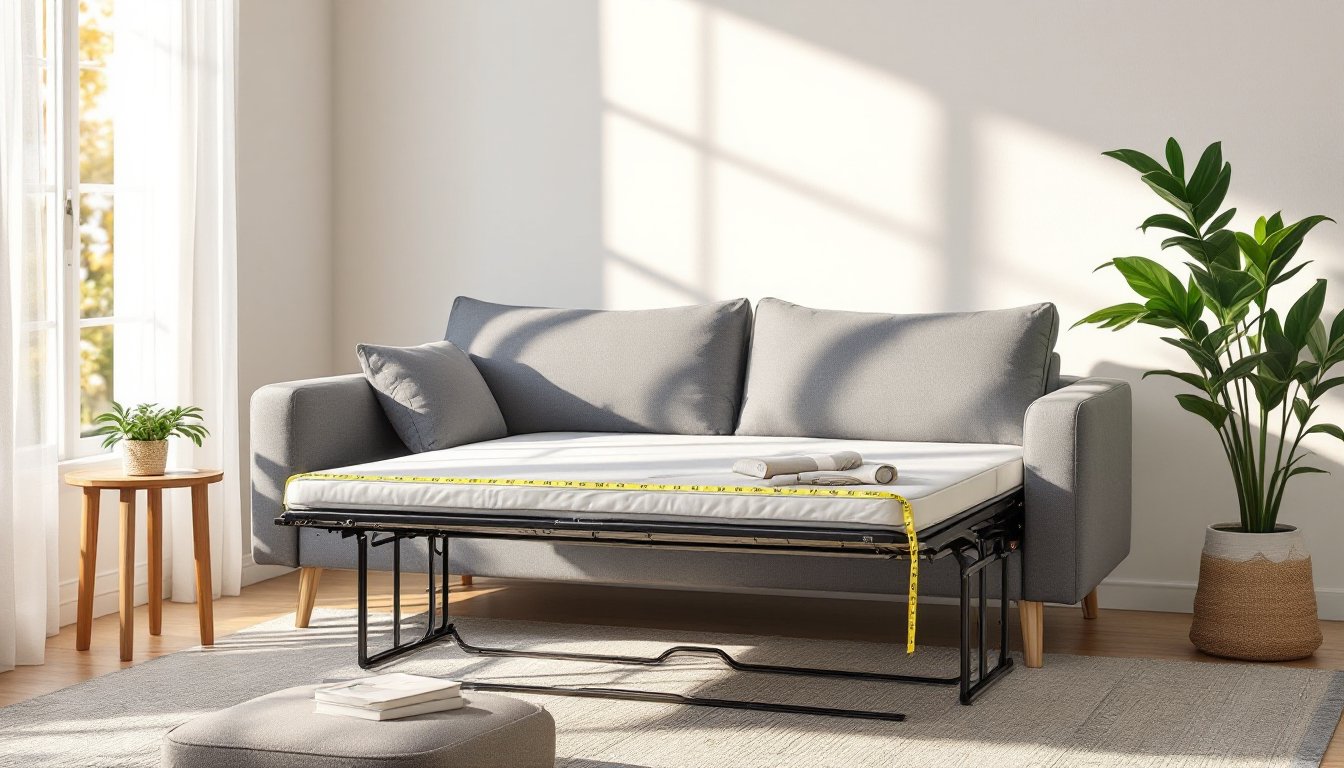
The pull-out sleeper sofa is the most traditional and widely available design. The entire mattress platform slides forward on metal rails or gliders, extending the seating area into a bed. You’ll typically grab a handle or grip points on the mattress edge and pull it forward, which creates a flat sleeping surface flush with the main sofa cushions.
Roll-out models work similarly but use wheels or casters at the base instead of rails. These are lighter and easier to move, making them ideal for renters or anyone who rearranges frequently. But, roll-out mechanisms can be slightly less stable than rail-based pull-outs, especially with regular use.
Both designs require 24 to 30 inches of floor space in front of the sofa to fully extend the mattress. If you don’t have that depth available, these aren’t your best option.
Futon and Convertible Options
A futon is a Japanese-inspired design where the backrest folds down flat to convert into a bed. It’s compact, often sleek in appearance, and requires minimal floor space since the mattress doesn’t slide out. Futons work well in tight corners or studio apartments where you can’t pull out furniture.
Convertible sofas are a catch-all category that includes models where cushions flip, lift, or transform. Some convertible designs have the mattress stored underneath the seat cushions: you remove or lift the cushions to access the bed. These are affordable and space-efficient but can be awkward to set up repeatedly.
Whichever mechanism you choose, test it in person before buying. The ease of converting from sofa to bed matters more than you might think, if it’s a wrestling match every time, you won’t use it.
Sizing, Space Planning, and Room Integration
Before you buy a sleeper sofa, measure your space ruthlessly. Check the doorway width where it’ll enter the home, the wall length where it’ll sit, and the floor space in front for pull-out mechanisms. A stunning sofa that won’t fit through your hallway is worthless.
Consider the overall depth when extended. A pull-out sleeper sofa might be 36 inches deep when closed, but expands to 60 to 66 inches when the mattress pulls out. If your room is tight, measure from wall to wall and subtract clearance for traffic flow. A comfortable living room should have at least 18 inches of walking space around furniture.
Think about mattress size too. A twin mattress is narrower and lighter to pull out repeatedly, while a full-size mattress accommodates two sleepers more comfortably but requires extra depth. Most homeowners find a full-size sleeper sofa the sweet spot, wide enough for real guests, not so bulky it dominates the room.
Also plan for how the sofa anchors to your décor. If you’re designing a small guest room that doubles as an office, a sleeper sofa against one wall with a desk on the opposite side maximizes the layout. Apartment dwellers often find that pairing a sleeper sofa with modular accent pieces or storage ottomans creates flexible, multi-functional zones. Resources like Homedit showcase how interior design professionals integrate sleeper sofas into various room styles while maintaining visual flow and practicality. The goal is a piece that enhances daily living, not one that screams “temporary bed.”
Choosing the Right Sleeper Sofa for Your Home
Picking a sleeper sofa comes down to balancing use frequency, space constraints, comfort, and budget. Ask yourself: Will guests sleep here weekly, monthly, or a few times a year? Heavy use justifies investing in a quality mattress and durable frame: occasional use allows you to prioritize affordability and compactness.
Examine the frame construction. Hardwood frames (typically kiln-dried hardwood) hold up better than engineered wood or particle board. The glides or rails where the mattress slides should be smooth, sturdy metal, not plastic. A wobbly or grinding pull-out mechanism will frustrate you within months.
Test the mattress comfort yourself. Lie down on it in the store if possible. The mattress should feel firm enough to support your back (too soft and you’ll sag into the frame), but not so hard it feels like sleeping on plywood. Memory foam, innerspring, and gel-infused options each have trade-offs: choose based on how cool or warm you sleep and your preferred firmness level.
Budget realistically. A solid sleeper sofa runs $800 to $2,000: premium models cost more. Cheaper options under $600 often use flimsy frames and thin, uncomfortable mattresses that feel like a last resort after the first night. Mid-range sofas typically offer the best value for occasional guest use.
Finally, think durability. Will you keep this sofa for five years or more? If so, quality matters. Fabric should resist stains (microfiber or performance fabrics are practical: delicate upholstery is less forgiving). Many homeowners find that Apartment Therapy and similar design sites offer honest reviews of budget-friendly sleeper sofas that perform well in real homes, not just showrooms. Read customer feedback specifically about how the mechanism holds up after extended use, not just initial impressions.
Conclusion
A sleeper sofa is a practical furniture investment when you understand what you’re buying: a hybrid piece that requires thoughtful placement and realistic expectations about mattress comfort. Whether you go with a pull-out mechanism, a futon, or a convertible design depends on your space, guests, and daily lifestyle. Measure twice, test the mechanism and mattress in person, and choose a frame and fabric that’ll handle regular use without falling apart. Done right, a sleeper sofa solves the guest-bed puzzle without sacrificing your living space.