Table of Contents
ToggleA mouse in the house is a problem that most homeowners face at some point, and a Victor mouse trap remains one of the most reliable solutions for quick, humane pest control. Whether you’re dealing with a single unwanted visitor or a larger infestation, knowing how to set a Victor mouse trap correctly is essential, improper setup can result in an un-triggered trap or worse, a failed capture that lets the mouse escape. This guide walks you through the entire process, from understanding the different Victor trap models to strategic placement in your home, ensuring you’ll set traps effectively and humanely.
Key Takeaways
- Identify your Victor mouse trap model before setting it, as each type (snap trap, electronic, or live-catch) has different arming mechanisms and bait placement requirements.
- Use a small dollop of peanut butter (about the size of a pea) on the bait trigger plate for maximum effectiveness, as its sticky texture and strong smell attract mice while preventing them from escaping with the bait.
- Position traps perpendicular to walls and baseboards where mice travel, spaced 3–6 feet apart in areas with visible droppings or activity, such as kitchens, pantries, and near entry points.
- Arm the spring mechanism carefully by holding the trap firmly, lifting the wire backward until it clicks, then gently releasing—never rush or test the trigger with your hands.
- Always wear heavy-duty gloves when handling triggered traps, check them daily, and dispose of dead mice in sealed bags to prevent odor and health hazards.
- Combine trapping with sealing entry points and removing food sources to prevent future infestations; contact a pest control professional if you suspect a large infestation.
Understanding Victor Mouse Trap Types And What You’re Working With
Victor manufactures several trap designs, and identifying which one you have is the first step. The classic Victor Snap Trap is the most common, a wooden platform with a spring-loaded wire that snaps down with lethal force. It’s affordable, reliable, and been in use for over a century. Victor also makes electronic traps that deliver a shock and notify you via an app, multiple-catch traps that hold several mice without resetting, and mousetrap designs with improved triggers that reduce the chance of an escape.
Most homeowners use the traditional snap trap because it’s inexpensive (typically $1–3 per trap), widely available, and requires no batteries or cleanup of electronic components. But, if you prefer a gentler approach, Victor also offers live-catch traps that allow you to release mice outdoors. Before setting any trap, read the packaging or manual to confirm which model you have, each has slightly different arming mechanisms and bait placement instructions.
Preparing Your Workspace And Gathering Essential Tools
You don’t need much to set a Victor mouse trap, but having the right materials on hand makes the job faster and safer. Gather these items before you start:
- The trap itself (classic wooden snap trap, electronic trap, or live-catch model)
- Bait (peanut butter, chocolate, nesting material, or commercial mouse bait)
- Small spoon or applicator (to place bait without your fingers)
- Work surface (newspaper, cardboard, or a small table)
- Hand protection (gloves or hand sanitizer wipes nearby)
Work in a well-lit area where you can see the trigger mechanism clearly. If you’re sensitive to the idea of a snap trap, this is also the moment to reconsider and switch to a live-catch or electronic model. Some homeowners wear latex or nitrile gloves to avoid contact with the bait and reduce human scent, which can deter mice. Avoid touching the trap’s bait and striking surfaces with bare hands if possible, mice are repelled by strong human odors.
Setting The Trap: The Complete Process
Baiting Your Trap For Maximum Effectiveness
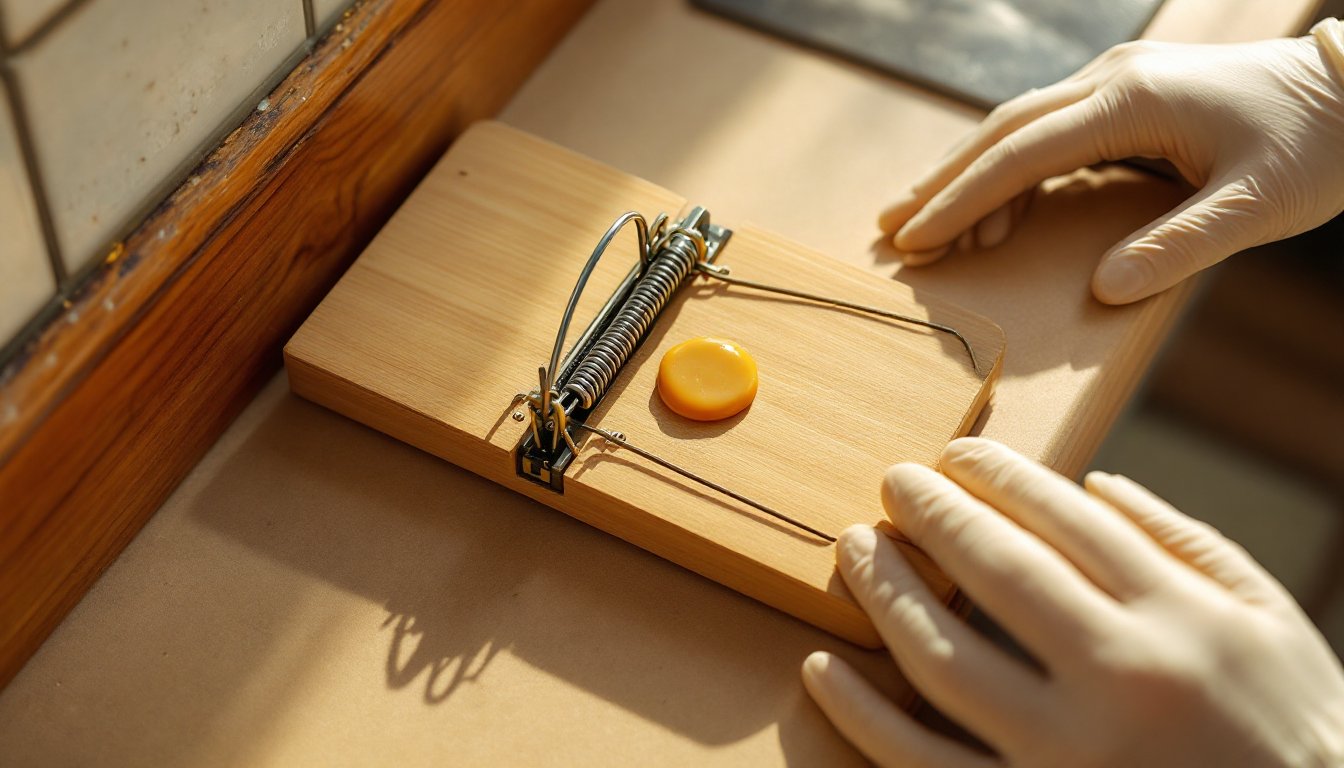
Proper baiting is crucial. Peanut butter is the gold standard because its sticky texture keeps mice from simply grabbing and running, and its strong smell attracts them from a distance. Place a small dollop, about the size of a pea, on the bait trigger plate (the small metal platform in the center of the trap). Don’t use too much: excess bait can prevent the trap from triggering properly.
Alternative baits include chocolate, nesting material (shredded paper or cotton), or small pieces of dried fruit. Commercial mouse baits sold at hardware stores work too, though they’re pricier and not notably more effective than peanut butter. Some trappers apply a tiny amount of bait directly under the trigger for best results, though the standard method of placing it on the plate also works well.
Arming The Spring Mechanism
This is where most DIYers hesitate, and that’s understandable, the spring is under serious tension. Here’s the safe way to do it:
- Hold the trap firmly on a stable surface with one hand, keeping your fingers clear of the snap area.
- Lift the spring-loaded wire backward toward the rear of the trap until you hear or feel it click into the trigger position. The wire should be held back by the tiny trigger plate.
- Gently release your grip once the mechanism is locked. The trap is now armed and ready to snap.
If the trigger feels stiff or won’t hold in the armed position, the mechanism may be worn or defective, consider replacing it with a fresh trap. If it’s too loose and snaps before you intend it, try placing the trap on a softer surface or using a Victor snap trap variant with a reinforced trigger for more reliable engagement. Work slowly and deliberately: rushing increases the risk of accidentally tripping the mechanism onto your hand.
Once armed, the trap is live and dangerous to fingers. Keep hands away from the snap area and never test the trigger by placing objects directly under the wire.
Placement Strategy: Where To Position Your Traps
Location is everything. Mice follow walls and baseboards, so place traps along these routes with the trigger plate facing the wall or baseboard. This positioning ensures the mouse must approach the bait from a direction where it will contact the trigger. Position traps perpendicular to walls, not parallel, so the mouse’s body will snap the trap as it moves along the wall.
Focus traps in areas where you’ve spotted droppings, gnaw marks, or mouse activity. Common hotspots include kitchens (especially under sinks and behind appliances), pantries, basements, and areas near entry points like cracks, gaps, or pipes. Don’t overcrowd, space traps 3 to 6 feet apart. Too many traps in one area wastes resources: too few might miss an individual mouse.
Keep traps away from children and pets. If you have a curious cat or a toddler, use protective bait stations (plastic boxes with openings only large enough for a mouse) to contain the trap while still allowing mice inside. Check established home maintenance checklists for seasonal guidance on where rodent activity typically occurs in your region. Set traps in early evening when mice are most active, and be prepared to check them daily, a dead mouse left more than 24 hours can create odor and sanitation issues.
Safety Considerations And Best Practices
Safety is non-negotiable with snap traps. The spring force is sufficient to cause serious hand injuries, and the mechanism can snap unexpectedly if jostled. Always assume the trap is armed: never place hands near the snap area.
When handling a triggered trap, wear heavy-duty gloves or use a small shovel to avoid direct contact with the mouse’s body (which may carry hantavirus or other pathogens in rare cases). Place the dead mouse in a sealed plastic bag and dispose of it in your regular trash, or bury it if you prefer. Wash your hands and any tools with soap and warm water.
If you have young children or pets, communicate clearly about trap locations and why the traps are dangerous. Consider using tested product recommendations from trusted home guides when evaluating alternative trap designs for homes with pets or kids.
For a comprehensive approach to pest control, combine traps with detailed DIY project tutorials on sealing entry points, removing food sources, and reducing clutter where mice hide. Trapping alone solves the immediate problem but won’t prevent future infestations if gaps and food attractants remain.
If you suspect a large infestation, contact a licensed pest control professional. Attempting to trap dozens of mice yourself is inefficient and exhausting, professionals have access to stronger baits, industrial-grade traps, and fumigation options.