Table of Contents
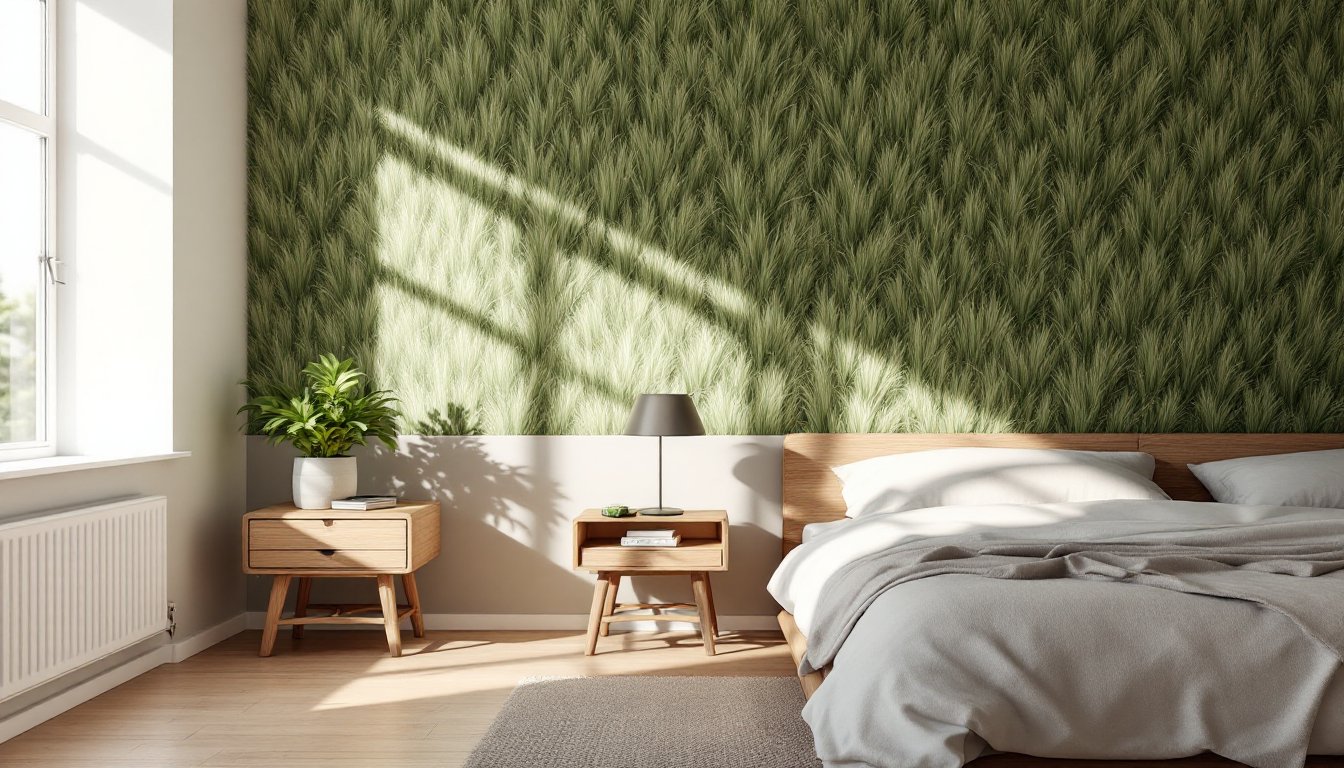
ToggleGrass wall decor has quietly become one of the hottest ways to refresh indoor and outdoor spaces without a major renovation. Whether you’re looking to add a natural focal point to a bedroom, office, or patio, grass walls bring texture, color, and life to otherwise bland surfaces. The beauty of grass wall decor is that you don’t need to be a landscaper or design expert, there are multiple styles and installation methods suited to different skill levels and budgets. This guide covers everything a homeowner needs to know about choosing, installing, and maintaining grass walls that actually last.
Key Takeaways
- Grass wall decor offers homeowners a dramatic way to add natural texture and greenery to indoor and outdoor spaces without requiring professional landscaping skills or major renovation.
- Artificial grass wall panels are low-maintenance, affordable, and work in any lighting condition, while live moss and plant walls provide genuine botanical benefits and improve indoor air quality but require consistent watering and bright light.
- Proper surface preparation—ensuring walls are clean, dry, level, and moisture-tested below 15%—is critical to preventing installation failures and ensuring grass wall panels adhere properly and last longer.
- Installation options range from quick adhesive application (24-hour cure time) to reversible clip systems, allowing renters and homeowners to choose based on permanence and skill level.
- Artificial panels need minimal upkeep with monthly vacuuming and yearly adhesive checks, while living plant walls demand weekly watering, fertilizing, pest monitoring, and replanting every 2–3 years.
- Starting with a small feature wall in a low-traffic room lets you test whether grass wall decor fits your lifestyle and space before committing to a larger installation.
What Is Grass Wall Decor and Why Homeowners Love It
Grass wall decor is exactly what it sounds like: a vertical arrangement of grass, moss, or grass-like materials attached to a wall surface. Unlike traditional houseplants clustered on a shelf, grass walls cover a sizable area and create a dramatic, immersive green backdrop. The trend appeals to homeowners for several reasons. First, it solves the “I want a nature feeling but don’t have a yard” problem. Second, it’s a design statement that works in modern minimalist spaces, bohemian rooms, or rustic farmhouse settings. Third, grass walls provide acoustic benefits, they absorb sound, which makes them practical for home offices or media rooms. Finally, many options require minimal ongoing fuss compared to tending a full indoor garden.
The appeal extends beyond aesthetics. A well-executed grass wall can increase perceived property value, create a calming focal point in high-stress rooms, and serve as a conversation starter. Whether you choose artificial panels or living plants depends on your timeline, maintenance tolerance, and the room’s light conditions. Both approaches deliver the visual impact homeowners crave without requiring professional landscaping skills.
Types of Grass Wall Decor Options for Every Style
Artificial Grass Wall Panels
Artificial grass wall panels are the workhorse of grass decor. These modular panels typically measure 12″ × 12″ to 24″ × 24″ and clip or adhere directly to drywall, stucco, or wooden surfaces. Materials include polypropylene, polyethylene, and UV-stabilized synthetics designed to resist fading and moisture. The big advantage: they require zero watering, pruning, or special lighting. Artificial panels work indoors and outdoors, in low-light hallways and sun-soaked patios alike.
Quality varies significantly by price point. Budget panels (under $20 per square foot) often look plastic-y from close range and fade quickly. Mid-range panels ($20–$40/sq. ft.) offer better color depth and realistic texture: the grass blades vary in height and density, mimicking natural growth. Premium options ($40+/sq. ft.) feature multiple shade layers and backing reinforcement that resists warping. For installation, budget 1–2 hours per 50 square feet if using adhesive: clip systems go faster. You’ll need a level, measuring tape, a stud finder (if mounting to studs for weight distribution), and construction adhesive rated for outdoor or wall use. Artificial panels handle humidity well, making them ideal for bathrooms or kitchens where live plants struggle.
Live Moss and Plant Walls
Live moss and plant walls bring genuine greenery, no plastics involved. These installations typically use preserved moss (harvested and dried, then stabilized with glycerin to retain color and texture) or living plant varieties like pothos, ferns, and philodendrons mounted on felt or wood backing. Preserved moss requires no watering or nutrients: it’s maintenance-lite and perfect for renters or anyone hesitant about plant care. Living plant walls demand bright, indirect light (east or west-facing windows are ideal) and consistent moisture, think of them as a living investment.
Moss walls cost $50–$150 per 10 square feet for preserved moss: living plant walls run $75–$250+ per square foot because they require specialized backing systems with built-in irrigation or misting. A living wall needs inspection every 2 weeks for dry spots, pest issues, and dead growth. Humidity above 60% keeps moss looking vibrant: if your home is dry, misting bottles help. Both types add visual warmth that artificial panels can’t quite match, and they improve indoor air quality, a measurable benefit in sealed modern homes.
How to Install Grass Wall Decor: A Step-by-Step Guide
Surface Prep (Non-Negotiable)
Most DIY failures happen because people skip prep. Start by ensuring your wall is clean, dry, and level. If the wall is textured stucco or highly uneven, sand smooth or apply a primer base coat, adhesive won’t grip rough or dusty surfaces. Check moisture levels with a moisture meter: walls above 15% moisture risk mold behind panels. If you’re mounting to drywall, locate studs with a stud finder and mark them: they support weight better than drywall alone. Locate any electrical outlets or switches and plan around them, you don’t want to cover access.
Adhesive Installation (Faster, No Tools Needed)
- Measure your wall and dry-lay panels to determine layout and how many you’ll need. Account for any pattern you’re creating.
- Apply a construction adhesive rated for outdoor use (or indoor/outdoor if using indoors) in a grid pattern, dabs every 4–6 inches across the back of each panel. Use a polyurethane or silicone-based adhesive: avoid standard drywall compound, which doesn’t bond well to plastics.
- Press each panel firmly for 30 seconds, working from one corner outward. Use a level to confirm panels sit flush and plumb (vertical).
- Allow adhesive to cure per manufacturer specs, usually 24 hours, before touching or adjusting.
Clip or Frame System (Better for Future Removal)
If you rent or want reversibility, clip systems or lightweight frames spread load evenly. Measure and install L-brackets or ledger rails to studs (if available) using 2.5″ wood screws. Level everything carefully, panels won’t sit right on a crooked base. Attach panels with clips or hook-and-loop fasteners. This method takes longer (3–4 hours for a feature wall) but allows easy swaps if you change your mind.
For Living Plant Walls
Living walls require backing boards with pockets or felt pads. Pre-assemble the frame to studs or a reinforced mount point. Install irrigation tubing (drip lines or misting tubes) before securing plants, you don’t want to tear out panels later to fix the water system. Plant and mist daily for the first two weeks while roots establish. Avoid direct afternoon sun if plants show stress: morning light is best for most moss and fern varieties. Ensure drainage exits safely away from walls and flooring, wet walls invite rot.
Maintenance and Care Tips for Long-Lasting Grass Walls
Artificial Panel Care
Artificial grass walls are hands-off, but they still accumulate dust. Vacuum with a soft brush attachment monthly or use compressed air to blow away debris. In outdoor settings, rinse with a garden hose 2–3 times yearly to remove pollen and grime: avoid pressure washers, which can damage blade attachment points. Check adhesive seams annually, especially if panels are outdoors: reapply construction adhesive to any edges that’ve lifted. In bathrooms or kitchens with steam, wipe panels dry monthly to prevent mold growth on backing. Fading is inevitable outdoors: panels last 5–10 years depending on sun exposure. Indoors, they’ll easily last 10+ years.
Preserved Moss Care
Preserved moss doesn’t rot or dry out, but it dislikes direct water contact, misting is fine, but pooling water weakens backing. Dust monthly with a soft brush or dry cloth, working gently to avoid dislodging moss fragments. Keep humidity between 40–70% for best appearance: very dry homes may need occasional light misting. Preserved moss doesn’t fade, but strong direct sunlight can dull color: indirect light keeps it vibrant for decades. Check backing materials yearly, if wood shows rot or felt peels, patch or replace affected sections.
Living Plant Wall Maintenance
This is where the commitment kicks in. Water 2–3 times weekly (more in hot seasons, less in winter): soil or backing should stay moist but not waterlogged. Use a spray bottle or drip irrigation system, not a watering can, which floods unevenly. Remove dead leaves and yellowed growth immediately, they harbor pests and disease. Every spring, apply a diluted liquid fertilizer once monthly to support new growth. Rotate plants or refresh plantings annually: some varieties exhaust backing soil. Watch for spider mites, scale, and mealybugs, common indoor plant pests that thrive on walls. Isolate infested sections and treat with neem oil or insecticidal soap (spray early morning or evening to avoid leaf burn). The lifestyle inspiration and DIY tutorials available online can guide specific plant-care routines.
Indoor humidity drops in winter: increase misting frequency or run a humidifier nearby. Outdoor living walls need protection from freezing temperatures if plants aren’t cold-hardy. Expect to refresh or replant every 2–3 years as plants mature or decline, it’s part of the cycle, not a failure.
Conclusion
Grass wall decor delivers drama and function without the commitment of a full garden. Artificial panels work everywhere and demand almost nothing: living walls reward consistent care with genuine botanical beauty and air-quality benefits. The installation is DIY-friendly if you respect prep work and use proper adhesives or mounting hardware. Start small with a feature wall in a low-traffic room, assess what works in your space and schedule, then expand if the bug bites. Whether you’re drawn to the permanence of artificial or the authenticity of live moss and plants, grass walls transform blank vertical space into memorable, livable art.