Table of Contents
ToggleA Whirlpool dishwasher that won’t spray water is frustrating, especially when dishes pile up in the sink. The good news? Most spray issues can be fixed in under an hour without calling a technician. Clogs, pump problems, water supply issues, and simple settings are usually to blame. This guide walks you through five practical troubleshooting steps that homeowners can handle themselves. You’ll learn exactly where to look, what to clean, and when a professional is worth the call. Let’s get your dishwasher working again.
Key Takeaways
- Most Whirlpool dishwasher not spraying issues stem from clogs in spray arms and can be fixed in under an hour using a paperclip and vinegar soak—start here before calling a technician.
- Check and clean the filter assembly and water supply inlet valve at the back of your dishwasher to eliminate blockages deeper in the system that restrict water flow.
- Verify your water shutoff valve is fully open and listen for clicking and whooshing sounds during the fill phase to confirm water is reaching the dishwasher.
- A hard reset by unplugging for 5 minutes can resolve control board glitches that interrupt the spray cycle mid-program.
- Call a certified technician if you’ve completed all troubleshooting steps and the dishwasher still isn’t spraying, as internal component failure typically requires professional replacement and costs $200–$500.
Check And Clean The Spray Arms
The spray arms are your dishwasher’s workhorse, they rotate and distribute water across dishes during the wash cycle. When they stop spraying, blocked holes are almost always the culprit. Food particles, mineral deposits, and soap residue accumulate in the small holes over time, reducing water flow until nothing comes out.
Start by removing the racks to access the spray arms. Most Whirlpool models have two spray arms: an upper arm and a lower arm. The lower arm typically lifts out easily: the upper arm is often mounted on the roof of the tub. Take a close look at the holes, you’ll see small openings where water exits. If they’re darkened or clogged, that’s your problem.
Remove Debris From Spray Arm Holes
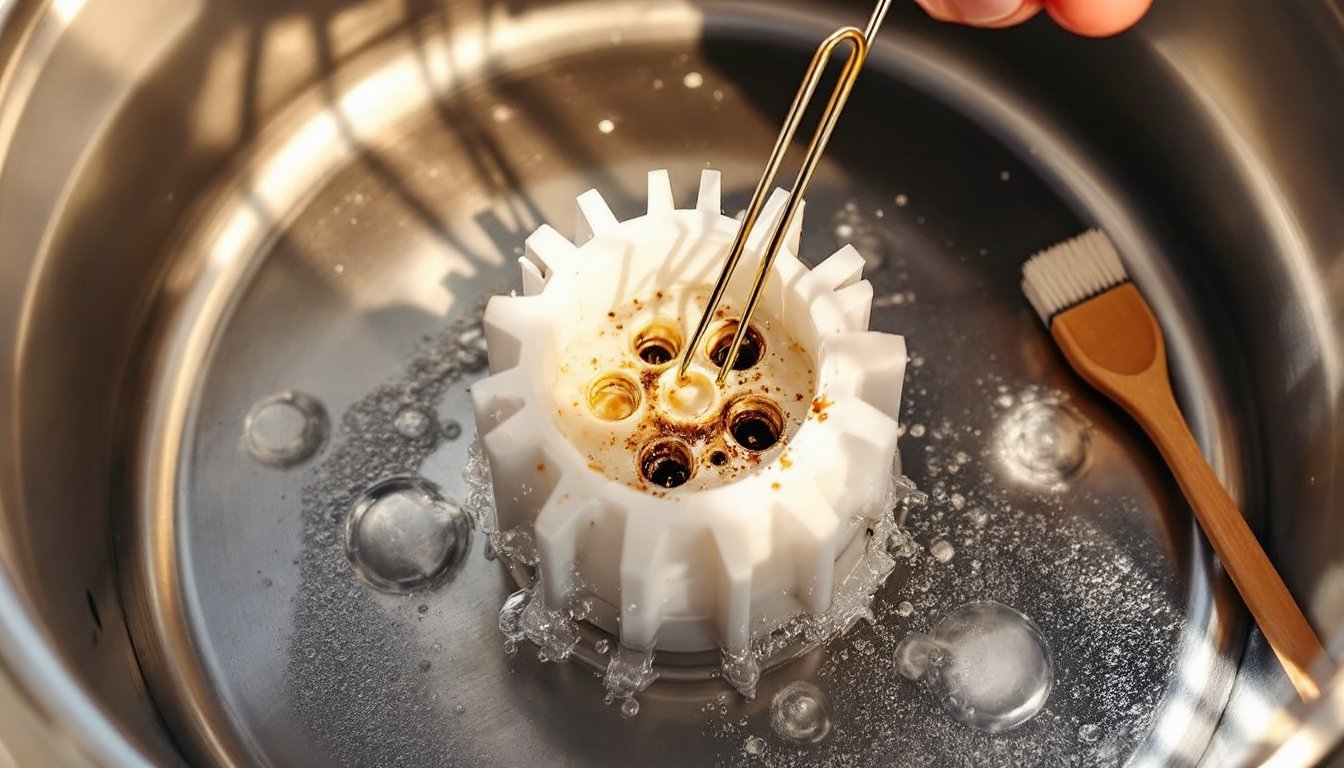
Take each spray arm to the sink and hold it under warm running water. Use a straightened paperclip or a fine wire to gently poke through each hole, dislodging trapped debris. Don’t force it, you’ll scratch the plastic. Work systematically around the arm, feeling for blockages and clearing them one by one.
For stubborn mineral deposits, soak the spray arms in equal parts white vinegar and warm water for 30 minutes. This dissolves hard water buildup without chemicals. After soaking, repeat the paperclip treatment and rinse thoroughly.
How to clean dishwasher spray arms offers a detailed video walkthrough if you need visual confirmation. Reinstall the arms, making sure they spin freely by hand. No resistance means you’re clear.
Run a short cycle empty to test. If water sprays and the arms rotate, you’ve solved it. If not, move to the next step.
Inspect The Wash Pump And Filter System
If cleaned spray arms didn’t fix the problem, blockages deeper in the system could be restricting water flow. The wash pump and filter assembly sit at the bottom of the tub, and debris can jam the pump impeller or clog the inlet screen.
Locate the filter screen at the bottom center of the tub, it looks like a mesh cylinder. Some Whirlpool models have a removable screen cover. Unscrew or unclip it (check your manual for your specific model) and pull out the filter.
Locate And Clean The Filter Assembly
Rinse the filter under running water to remove food particles, then soak it in warm vinegar water if mineral buildup is visible. Use a soft brush to gently scrub the mesh without tearing it. Look at the opening underneath the filter, sometimes debris sits just below the screen, completely blocking the inlet.
If you see debris stuck below the filter opening, use tweezers or a small straightened paperclip to carefully remove it. Don’t jam tools in: you can damage the pump. Reinstall the filter, making sure it seats properly and the cover locks down.
Resources like Family Handyman provide detailed diagrams for your specific Whirlpool model, showing exactly where components sit. Next, check the water inlet valve, which sits behind the control panel.
Verify Water Supply And Inlet Valve Function
Before tearing into internal components, confirm water is actually reaching the dishwasher. Check the water supply lines at the back of the unit, there’s usually a shutoff valve where the line connects. Make sure it’s fully open (turn counterclockwise). If it’s partially closed, no amount of internal cleaning will help.
Next, inspect the inlet valve itself. This electromechanical valve opens when the cycle starts, allowing water into the tub. If it’s stuck closed or clogged, water never enters, and spray arms sit bone dry. Listen during the fill phase of a cycle, you should hear a “click” as the valve opens and a whooshing sound as water enters. No sounds mean a stuck valve.
The inlet valve is located behind the lower front panel, usually on the left side. Check your model’s manual before attempting removal, some require disconnecting electrical connectors and shutting off water at the source. If the valve is stuck or you’re uncomfortable removing it, this is a good time to call a technician. Valve replacement typically costs $150–$300, plus labor, but it’s a definitive fix for no-spray problems caused by water supply failure.
Reset Your Dishwasher And Run A Test Cycle
Sometimes a glitch in the control board interrupts the spray cycle mid-program. A hard reset clears cached errors and can restore normal operation. The process is simple: unplug the dishwasher for 5 minutes, then plug it back in. This powers down completely, resetting internal circuits.
Alternatively, hold the “Start” button for 3–5 seconds during a running cycle to force a stop, then open the door fully for 30 seconds. Close it and press Start again to restart the cycle from the beginning.
After resetting, run a short wash cycle on an empty tub. Listen for normal fill sounds, and watch through the door window (crack it open slightly if you can) to see if water enters and spray arms rotate. If everything looks normal, run a cycle with dishes to confirm the fix worked. Check Good Housekeeping for comprehensive appliance troubleshooting guides if you hit other error codes.
When To Call A Professional Technician
If you’ve worked through all five steps and water still isn’t spraying, internal component failure is likely. A faulty pump motor, cracked impeller, damaged spray arm assembly, or failed inlet valve requires professional replacement. Attempting these repairs without the right tools and sealant compounds risks water leaks and electrical hazards.
Call a certified Whirlpool technician if you’ve cleaned spray arms, verified water supply, inspected the filter, reset the unit, and still have no spray action. Techs have access to exact replacement parts, diagnostic tools, and warranty coverage you don’t. Repair costs typically range from $200–$500 depending on the failed component, but a professional can confirm what’s wrong before the job starts.
Don’t let a failing dishwasher sit, bacteria grow in standing water, and mold develops in the tub. If you can’t fix it within 24 hours of troubleshooting, get it professionally serviced. Most service calls schedule same-week or next-day appointments. The relief of having clean dishes again is worth the investment.