Table of Contents
ToggleWhen it comes to kitchen upgrades, a high-end refrigerator represents one of the most visible and practical investments a homeowner can make. Unlike most appliances that hide away in walls or under cabinets, your fridge sits front and center, functioning daily while making a statement about your kitchen’s design and functionality. A high-end refrigerator does more than just keep food cold: it can transform how you organize, access, and preserve ingredients while seamlessly integrating with modern kitchen aesthetics. Understanding what separates premium models from standard units helps you make an well-informed choice about whether the investment aligns with your kitchen goals and lifestyle.
Key Takeaways
- A high-end refrigerator starts at $3,500 and justifies its premium price through precision climate control, superior build quality, and design integration that extends lifespan to 15+ years.
- Dual or triple climate zones and humidity-controlled crisper drawers can extend produce shelf life by 4–7 days, reducing food waste and improving value for premium ingredient investments.
- Prioritize reliable cooling systems and build quality over trendy smart features; research brand repair track records to avoid costly service calls after warranty expiration.
- Panel-ready and counter-depth configurations allow a high-end refrigerator to seamlessly integrate with kitchen cabinetry, creating visual cohesion rather than standing out as a separate appliance.
- ENERGY STAR-certified high-end models save $30–50 annually through improved insulation and inverter compressors, compounding to $450–$750 in energy savings over a 15-year lifespan.
What Defines a High-End Refrigerator
A high-end refrigerator isn’t simply a larger or more expensive version of a standard model, it’s a deliberate engineering approach to food preservation, convenience, and design cohesion. These units typically start at $3,500 and climb toward $8,000 or more, depending on features, size, and brand prestige.
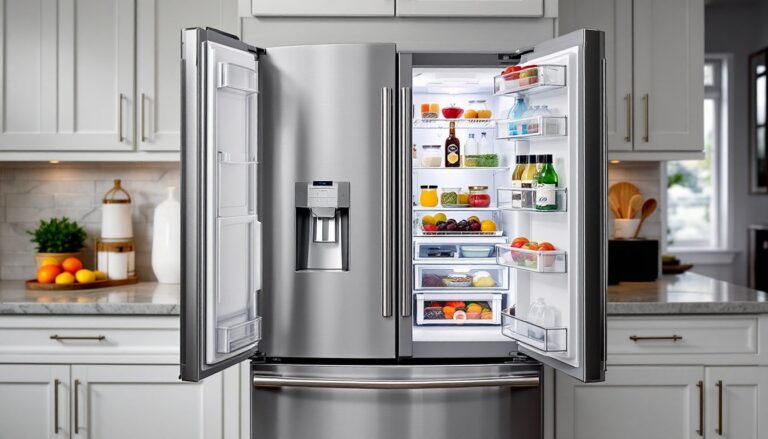
Premium refrigerators prioritize three core areas: precision climate control, advanced material durability, and seamless kitchen integration. Most high-end models use French-door or column-style configurations that allow flexible interior layout and easier access to frequently used items. The compressors and cooling systems are engineered for quieter operation and more consistent temperature distribution than standard refrigerators.
Build quality matters significantly. High-end units feature stainless steel, custom panel-ready options, or glass doors that resist fingerprints and corrosion better than budget alternatives. Interior shelving uses reinforced glass or premium polymers rather than thin wire racks, and drawer mechanisms operate on precision slides instead of basic rollers. These aren’t cosmetic upgrades, they extend the appliance’s usable life to 15+ years, whereas a standard fridge typically lasts 10-12 years.
Key Premium Features Worth the Investment
Not every expensive feature justifies its cost, but certain premium capabilities directly improve daily kitchen function and food quality.
Advanced Temperature and Humidity Control
Dual or triple climate zones are a defining feature of high-end models. Rather than a single thermostat for the entire unit, these refrigerators let you set separate temperatures for the main fridge section, freezer, and often a dedicated wine or beverage zone. This precision matters: different foods preserve optimally at different temperatures, and being able to dial in 34–36°F for fresh produce while keeping the freezer at a steady 0°F prevents ice crystals and premature spoilage.
Humidity-controlled crisper drawers take this further. Sliding a drawer cover incrementally opens or closes air vents, allowing you to trap moisture for leafy greens or vent excess humidity away from fruits. Studies show that proper humidity control extends produce shelf life by 4–7 days compared to static drawers. When you’re investing in premium ingredients, this translates directly to less food waste and better value over time.
Smart Technology and Connectivity
Many luxury refrigerators now include touchscreen displays, Wi-Fi connectivity, and mobile app integration. These let you monitor interior temperature, receive alerts if the door stays open too long, check food inventory via internal cameras, and even adjust settings remotely. While this sounds convenient, assess your actual usage before treating it as a must-have. A touchscreen is useful if you actively monitor your refrigerator: if it becomes an ignored screen, it adds unnecessary cost and potential repair headaches.
Ice and water dispensers, while common even on mid-range models, are refined on premium units. High-end options often use multi-stage filtration systems that reduce chlorine, sediment, and odor more effectively than basic carbon filters. If your household uses filtered water daily, a built-in dispenser with superior filtration saves money over pitcher filters or bottled water. Crushed vs. cubed ice options and the ability to disable the dispenser entirely (preventing accidental activation) are subtle but valuable design considerations.
Design and Aesthetic Considerations
A high-end refrigerator should integrate with your kitchen’s visual language, not dominate it. Luxury brands recognize this and offer multiple finish options that go far beyond stainless steel.
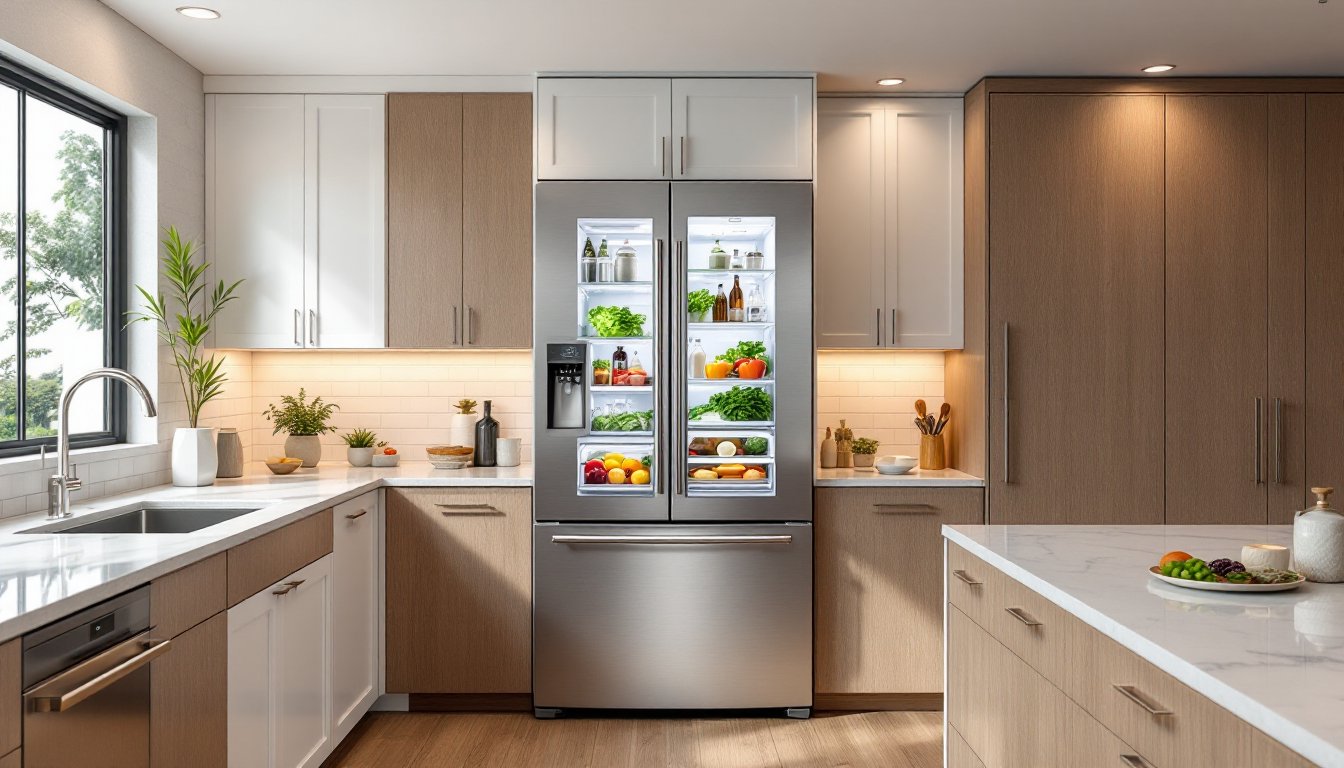
Stainless steel remains the standard choice, but premium finishes like brushed, matte, or smudge-resistant coatings require less frequent cleaning and maintain appearance longer. Panel-ready models accept custom cabinetry panels (wood, laminate, or veneer) that match surrounding cabinets, essentially making the refrigerator invisible within the design scheme. This approach costs more upfront but creates a seamlessly integrated look that elevates the entire kitchen’s visual coherence.
Glass doors and transparent sections on some luxury models showcase interior organization, a growing trend in high-end kitchens. This aesthetic works well in modern or minimalist spaces but requires disciplined interior organization since contents are visible.
Size and configuration deserve careful consideration. A 36-inch-wide counter-depth refrigerator sits flush with standard cabinetry (about 24–25 inches deep), creating a built-in appearance rather than protruding into the kitchen. Full-depth models (around 30 inches deep) offer slightly more storage but may overwhelm smaller kitchens. Premium brands offer dimensions in increments that align with standard cabinet widths, reducing the visual awkwardness of standard refrigerators.
Consider also the handle style, hinge placement, and whether you prefer French doors, bottom freezer, or side-by-side configuration. These choices affect how the refrigerator functions within traffic flow and how effectively you can access items during meal prep. Counter-depth configurations pair exceptionally well with luxury kitchen appliance brands that emphasize design cohesion.
Energy Efficiency and Long-Term Savings
High-end refrigerators typically carry ENERGY STAR certification, meaning they consume approximately 20–30% less energy than standard models. This translates to roughly $30–50 annual savings depending on local electricity rates and usage patterns. Over a 15-year lifespan, this compounds to $450–$750 in energy cost reductions, which partially offsets the premium purchase price.
Efficiency gains come from improved compressor technology, better insulation (thicker walls and optimized sealing), and advanced defrost cycles that minimize energy waste. Inverter compressors, common in premium models, adjust cooling output based on actual demand rather than running at full capacity constantly. This reduces energy consumption and extends compressor lifespan.
When evaluating a high-end refrigerator’s true cost of ownership, factor in estimated repair and maintenance. Luxury brands typically offer 3–5 year warranties (versus 1 year on budget models), and parts availability is generally reliable since these are established premium brands. But, specialized parts and repairs cost significantly more when warranty expires. Budget an extra $200–400 annually for potential service calls if major components fail after the warranty period.
Research the specific brand’s repair track record before purchase. Some premium refrigerator lines have notably higher failure rates for certain components (like ice dispensers or compressors), which should factor into your decision. Resources like The Kitchn provide real owner reviews and reliability feedback from homeowners with years of experience. Asking kitchen designers and contractors which brands they see lasting longest provides another reliable data point.
Conclusion
A high-end refrigerator is defensible as a premium kitchen investment when it aligns with your usage patterns, design goals, and long-term kitchen plans. Prioritize precision temperature control and reliable build quality over trendy smart features you won’t actively use. If you’re undertaking a major kitchen renovation, sourcing a premium refrigerator early ensures proper cabinet integration and electrical planning. The combination of durability, aesthetic flexibility, and functional superiority makes quality refrigeration one of the few kitchen appliances that truly earns its premium price over time.